

The Cool Comfort of Central Air
When searching for a new home, Apartments with central air often top the wish list for renters. This feature brings a distinct level of comfort and convenience. But what exactly does it mean, and how does it compare to other cooling options?
Here's a quick look at what central air means for your apartment:
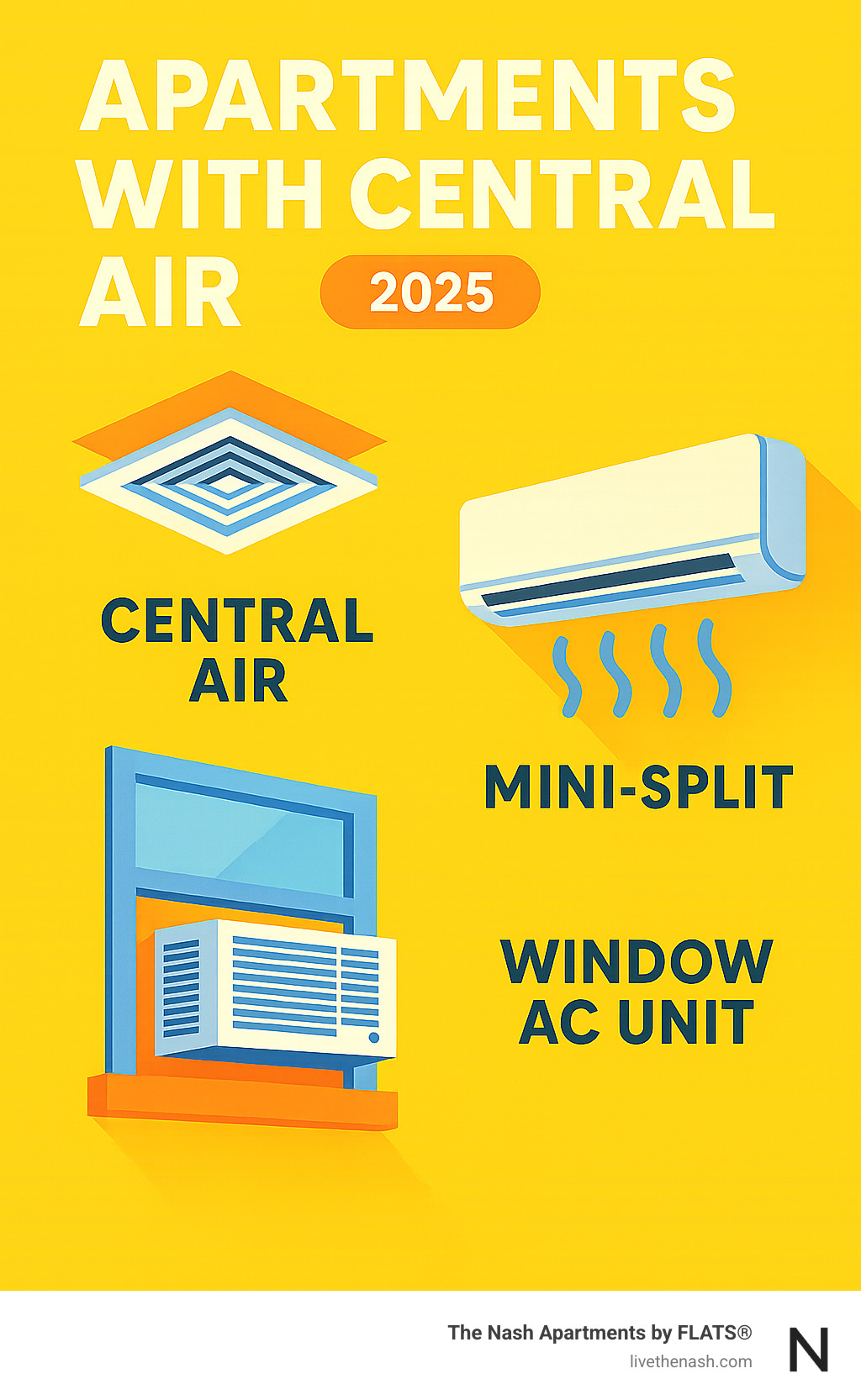
- Central Air Conditioning: This system uses a network of ducts to distribute cool, filtered air throughout your entire apartment from a single unit. It offers consistent temperatures in every room.
- Mini-Split Systems: These are ductless units that allow for zoned cooling, meaning you can control the temperature in individual rooms. They offer flexibility and are often seen as a modern alternative to traditional central air, especially in buildings where ductwork is difficult to install.
- Window AC Units: These are individual units installed in windows, cooling only the room they are in. They can be noisy, block views, and often provide uneven cooling.
Understanding these differences is key to choosing an apartment that truly meets your comfort needs.
What Is Central Air and How Does It Work in an Apartment?
Picture walking into your apartment after a hot day in San Diego, and instantly feeling that perfect cool breeze welcoming you home. Every room feels just right - not too cold, not too warm, but perfectly comfortable. That's what makes apartments with central air so special.
Unlike window units that only cool one room at a time, central air works like a gentle giant, managing the temperature of your entire living space from one smart system. Cool air flows through hidden ductwork behind your walls and ceilings, reaching every corner of your home through those subtle vents you see near the ceiling or floor.
The real beauty lies in the thermostat control. When you adjust that sleek device on your wall, you're talking to the entire HVAC system. One simple touch, and your whole apartment responds. No more running around adjusting multiple units or dealing with one freezing room and another that's still stuffy.

The cooling process itself is pretty fascinating. Your central air system doesn't actually create cold air - it's more like a heat thief, stealing warmth from inside your apartment and kicking it outside where it belongs. This happens through a continuous cycle of air circulation that keeps your space consistently comfortable.
The Mechanics of a Central Air System
Here's where things get interesting. A [comprehensive system](https://www.lennox.com/buyers-guide/guide-to-hvac/glossary/central-air-conditioning-system#:~:text=Central%20air%20conditioning%20(or%20central,process%20of%20air%20conditioning%20possible.) like central air is actually quite simple once you understand the basics. Think of it as having two main players: an outdoor unit that does the heavy lifting, and an indoor air handler that distributes the comfort.
The outdoor unit sits outside your building - sometimes on the ground, often on the roof in larger apartment complexes. This is where the compressor lives, working hard to pressurize a special fluid called refrigerant. This refrigerant is the real hero of the story, traveling back and forth between the indoor and outdoor units like a tiny heat messenger.
The magic happens in a simple four-step dance. First, your apartment's warm air gets pulled into return air ducts - you might notice these larger vents, usually located centrally in your home. Next, this warm air passes over cold evaporator coils inside the indoor air handler, where the refrigerant absorbs all that unwanted heat.
Then comes the clever part: the now-heated refrigerant travels outside to release all that absorbed heat into the outdoor air. Finally, a powerful fan pushes the newly cooled and dehumidified air through supply ducts and out through vents throughout your apartment. This air circulation never stops, creating that wonderfully consistent temperature you feel in every room.
Mini-Splits: The Flexible, Ductless Alternative
Not every apartment can accommodate traditional ductwork, and that's where mini-splits shine. These ductless technology systems are like having individual climate control zones for different areas of your home - pretty neat for modern living.
Instead of hiding behind walls, mini-splits are more visible but sleek. You'll see stylish indoor air handlers mounted on walls, each connected to an outdoor condenser through a small line that runs through the wall. The beauty of this setup is zoned cooling - you can keep your living room nice and cool while letting your bedroom stay a bit warmer, or vice versa.
Many mini-splits double as heat pumps, which means they're like having a year-round climate friend. Cool air in summer, cozy warmth in winter, all from the same neat unit. This dual personality makes them incredibly practical for San Diego's varied seasons.
Retrofitting older buildings is where mini-splits really prove their worth. Those charming pre-war apartments with thick walls and unique layouts? Installing traditional ductwork would be like performing surgery. Mini-splits slip in with minimal fuss, bringing modern comfort to buildings that were never designed for central air. It's a perfect marriage of old-world charm and new-world comfort.
The Pros and Cons of Apartments with Central Air
Deciding if apartments with central air are the perfect fit for your lifestyle means taking a closer look at both their wonderful perks and a few things to consider. Just like any great amenity, central air conditioning comes with its own unique charm and a few practical points to keep in mind. Let’s dive into what makes this feature so appealing and what factors renters should ponder before making their choice.
| Feature | Central Air | Mini-Splits | Window Units |
|---|---|---|---|
| Cooling Area | Whole apartment, consistent temperature | Zoned cooling, individual room control | Single room, localized cooling |
| Noise Level | Quiet, main unit often outdoors | Relatively quiet, indoor unit can be noticeable | Often noisy, can disrupt peace |
| Aesthetics | Invisible vents, clean look | Wall-mounted units, visible but sleek | Bulky, obstructs windows |
| Air Filtration | Centralized filtration, cleaner air | Individual filtration per unit, good quality | Basic filtration, limited effectiveness |
The Upside: Comfort, Air Quality, and Aesthetics
For many, the benefits of choosing apartments with central air are immediately clear, promising a truly superior living experience, especially when the weather heats up. Imagine stepping inside and feeling a wave of cool, refreshing air envelop every corner of your home. That’s the magic!
One of the biggest advantages is the consistent temperature and even cooling it provides throughout your entire apartment. Say goodbye to uncomfortable hot spots or chilly zones; central air ensures uniform comfort from your living room to your bedroom. This comprehensive approach delivers refreshing relief everywhere, far surpassing the limited cooling of individual units.
Beyond just temperature, central air systems are fantastic for filtered air and humidity control. These systems often come equipped with robust air filters that work hard to clean the air as it circulates. This can be a huge help for anyone sensitive to dust or airborne particles, as the system actively removes them, leading to cleaner, fresher indoor air. Plus, central air efficiently pulls moisture out of the air, which is a game-changer in humid climates. Lower humidity makes the air feel much cooler and more pleasant, helping you avoid that sticky, oppressive feeling.
Another delightful benefit is the quieter operation. Since the main cooling unit is typically located outside your apartment, central air systems tend to run much more silently indoors compared to the often-noisy rumble of window units. This means you can enjoy a more peaceful and serene living environment, whether you're working, relaxing, or enjoying a quiet evening in.
Visually, apartments with central air are a dream. Without bulky window units blocking your view, your windows remain completely clear, inviting in maximum natural light and offering unobstructed vistas. This not only makes your apartment look better but also feels more open and inviting. The system itself is largely out of sight, with only discrete vents visible on walls or ceilings, contributing to a clean, modern aesthetic that beautifully complements the upscale finishes you’ll find in luxury living spaces. These thoughtful amenities, like those available at The Nash, are truly designed to improve your daily life.
The Downside: Potential Drawbacks for Renters
While the allure of central air is incredibly strong, it's smart for renters to consider a few potential drawbacks. Understanding these points helps you make a truly informed decision.
One common consideration is energy consumption. While central air offers amazing whole-home cooling, it can use more energy than just cooling a single room with a smaller unit. This means your energy use might be higher if you’re not mindful. However, modern systems are constantly becoming more efficient, and adopting smart habits, like using a programmable thermostat, can significantly help manage this.
When it comes to maintenance responsibility, landlords typically handle the big stuff for central air systems. But as a renter, you'll likely be responsible for regularly changing the air filters. This is super important for keeping the system running efficiently and maintaining good indoor air quality. If filters are neglected, or if ducts aren't occasionally cleaned, there's a potential for issues like dust build-up or even mold or mildew. While professional duct cleaning is usually the landlord's responsibility, it’s good to be aware that it’s part of the system’s overall care.
Finally, traditional central air systems usually have uniform temperature settings. This means they maintain one temperature throughout the entire apartment. Unlike mini-splits, which offer individual control for different rooms, you might need to find a happy medium if one person prefers a cooler bedroom and another likes a warmer living room. As we've all humorously observed, some roommates just have an "itchy trigger finger" when it comes to that thermostat!
Thinking through these points ensures you're "totally cool" with your choice and ready to enjoy your new home.
Your Renter's Checklist for Central Air Conditioned Apartments
When you're touring apartments with central air, it's so easy to get caught up in the excitement of finding your next home. The promise of cool comfort on a warm day is certainly appealing! But as a savvy renter, you know it's smart to dig a little deeper. A quick look at the central air system can tell you a lot about how well it's maintained and how efficient it might be.

What to Look for in Apartments with Central Air
As you stroll through an apartment, take a moment to notice a few key details about the central air system. These small observations can offer big clues about what your comfort will be like.
First, try to get a sense of the system age. While you probably won't get an exact birthdate, asking about it can give you a hint. Newer systems often mean better energy efficiency and fewer headaches. Next, cast your eyes up and around at the visible condition of vents. Are they sparkling clean, or do they look a bit dusty or discolored? Clean vents are a good sign of regular care and better air quality.
Don't forget to check out the thermostat type. Is it a sleek, modern, and maybe even programmable thermostat? These are fantastic for managing your comfort and can help you optimize energy use. You can set it to warm up a bit when you're out and then cool down just before you return – a little bit of magic! Also, keep an eye out for any signs of regular maintenance. Sometimes you'll spot a maintenance log or a sticker on the indoor unit (often tucked away in a closet). These small details show that the system is getting the love and attention it needs.
Finally, ask about the filter location and accessibility. Knowing where the air filter is and how often it's typically changed is important. An easy-to-access filter means it's more likely to be changed regularly, which is crucial for both system efficiency and keeping your air fresh and clean.
Key Questions to Ask on Your Tour
Never be shy about asking questions when you're on a tour! Property managers are there to help, and getting the right information upfront can save you a lot of guesswork later. Here are some key questions to ask that will give you a clearer picture of the central air system:
- Maintenance Schedule: "What is the regular maintenance schedule for the central air system?" This helps you understand how often the system gets checked and cared for.
- Filter Replacement Policy: "How often are air filters replaced, and is that typically a tenant or landlord responsibility?" Knowing who does what helps you plan.
- Energy Usage Patterns: "Do you have any insights into the typical energy usage patterns for the central air in this type of unit?" While they can't give you exact numbers, they might offer a general idea of how the system performs.
- Emergency Repair Procedures: "What is the procedure for central air repairs, especially during peak seasons?" It's always good to know the plan for those "uh-oh" moments!
- Duct Cleaning: "How often are the ducts cleaned, and who is responsible for that?" This question helps address any concerns about air quality and overall system cleanliness.
By asking these smart questions and keeping an eye on these details, you'll feel much more confident about the central air system in your potential new apartment. It's all about finding that perfect blend of comfort and peace of mind!
Central Air in Different Building Types
The world of apartments with central air looks quite different depending on whether you're stepping into a sleek, newly constructed building or a charming older property with decades of character. Understanding these differences can help you appreciate what goes into creating that perfectly cooled living space you're seeking.
Think about it this way: installing central air in a brand-new building is like designing a custom suit from scratch, while retrofitting an older building is more like tailoring a vintage piece to fit modern needs. Both can look fantastic, but the process and considerations are quite different.
Modern Construction vs. Retrofitted Older Buildings
When you walk into a contemporary apartment building, central air feels effortless and invisible. That's because modern construction treats climate control as an essential part of the building's DNA rather than an afterthought. Every aspect of the building infrastructure is designed to accommodate the necessary ductwork, electrical capacity, and outdoor units from day one.
In these newer buildings, you'll notice how seamlessly everything integrates. The outdoor condensers are tucked away or positioned where they won't detract from the building's aesthetic appeal. The ductwork runs through spaces specifically designed for it, and the electrical systems can easily handle the power requirements. Modern apartments in San Diego exemplify this thoughtful approach, where central air becomes part of the overall luxury experience rather than a visible add-on.
Retrofitted older buildings tell a different story, though often an equally compelling one. These pre-war properties weren't originally designed with extensive ductwork in mind, which creates unique renovation challenges. Installing central air in a 1920s building means working around existing structures, finding creative paths for ducts, and sometimes upgrading the entire electrical system to support modern cooling demands.
The good news? Many older buildings have undergone impressive changes. Property owners often get creative with installation, sometimes using smaller, more flexible duct systems or choosing mini-split installations where traditional ductwork would be too invasive. The result can be a beautifully preserved space that maintains its historic charm while offering modern comfort.
Managing Energy Use and Utility Bills
Once you're settled into your central air apartment, how you manage the system makes all the difference in both comfort and efficiency. The beauty of modern central air systems lies not just in their cooling power, but in how smart they can be when properly managed.
Programmable thermostats are game-changers for energy management. These clever devices let you create cooling schedules that match your lifestyle. Set it to cool down your apartment just before you arrive home from work, then allow it to ease up while you're away. It's like having a personal assistant who knows exactly when you need that perfect temperature.
Smart home integration takes this convenience even further. Many modern systems can learn your preferences over time, adjust based on weather forecasts, and even respond to your smartphone from anywhere. Imagine walking into your perfectly cooled apartment after a long day, knowing the system anticipated your arrival.
Simple energy-saving habits can make a noticeable difference too. Keeping blinds closed during the hottest part of the day helps your system work more efficiently. Making sure furniture doesn't block air vents allows for proper circulation. Even something as basic as keeping windows closed while the AC runs prevents your system from working overtime.
The Department of Energy notes that adjusting your thermostat by just a few degrees when you're away can lead to meaningful energy reductions. These tips for energy savings aren't just good for the environment – they help you enjoy your cool, comfortable home more responsibly.
Conclusion: Finding Your Ideal Comfort Zone
When it comes to apartment hunting, apartments with central air often make the difference between a place to live and a place to truly call home. Throughout this guide, we've explored everything from the sophisticated mechanics of central air systems to the practical considerations that matter most to renters.
The benefits are clear: consistent temperatures throughout your entire living space, cleaner air through advanced filtration, and that blissfully quiet operation that lets you sleep peacefully. We've also covered the practical side - from energy management tips to what questions you should ask during apartment tours.
Weighing your priorities is key to making the right choice. Some renters love the zoned control of mini-splits, while others prefer the seamless, whole-home comfort of traditional central air. Your personal comfort preferences and lifestyle needs should guide your decision.
At The Nash, we understand that your apartment should be more than just four walls - it should be your personal retreat from San Diego's warm days. Our thoughtfully designed spaces feature modern climate control as part of our commitment to sophisticated living. Combined with our luxury apartment finishes, every detail is crafted to create an environment where comfort meets style.
Whether you're drawn to our rooftop lounge for evening breezes or prefer the climate-controlled comfort of our co-working spaces, we believe your home should adapt to your lifestyle. We invite you to explore our North Park San Diego rentals to find your perfect home, where superior climate control is just one of many amenities designed to improve your everyday living experience.
Your ideal comfort zone is waiting - and we're here to help you find it.